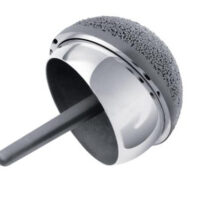
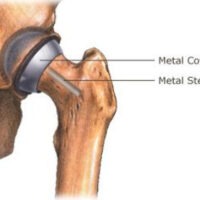
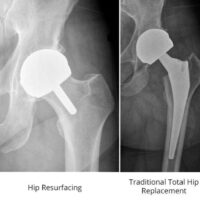
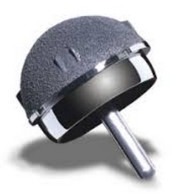
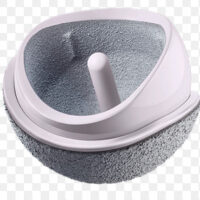
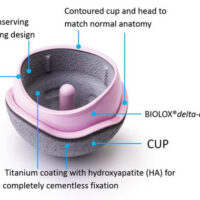
Hip Resurfacing Devices Explained Hip Resurfacing Devices Explained(BHR, Magnum/Recap,Polymotion, ReCerf, H1)If you’ve been researching Hip Resurfacing, you’ve probably seen different device names mentioned:BHRMagnum/RecapPolymotionReCerfH1It can get confusing quickly.Here’s the key point up front:The device matters—but the surgeon matters more.Still, understanding the differences can help you feel more confident and informed. 🧠 First, a Simple Way to Think About DevicesMost hip resurfacing devices fall into two categories:1. Metal-on-Metal (MoM)Proven long-term track recordStill widely used by experienced surgeons2. Newer Designs (Non-Metal Bearings)Aim to reduce metal ion concernsStill building long-term data 🏆 Birmingham Hip Resurfacing (BHR) – The most established resurfacing device Metal-on-metal designExtensive long-term data (20+ years in many cases)FDA approved in the United States💬 What patients often hear:“BHR is the gold standard.”Surface Hippy perspective:Strong track record when used by experienced surgeonsStill the most commonly used device in the U.S. ⚙️ Magnum / Recap Another long-used metal-on-metal systemUsed by several high-volume surgeonsGood outcomes reported in experienced hands💬 Patient insight:“Outcomes seemed tied more to the surgeon than the device.”Surface Hippy perspective:Less widely discussed than BHRStill respected among experienced resurfacing surgeons 🧪 Polymotion Hip Resurfacing System Polyethylene (plastic) bearing designAims to eliminate metal-on-metal concernsDifferent wear characteristics💬 Patient perspective:“Interesting alternative—but I wanted to understand the long-term results.”Surface Hippy perspective:Newer optionStill building long-term outcome data 🔬 ReCerf Hip Resurfacing System Newer ceramic-based resurfacingDesigned to reduce metal ion concernsUses advanced materials (ceramic surface technology)💬 What patients are asking:“Is this safer than metal-on-metal?”Surface Hippy perspective:Promising designLess long-term data compared to BHROften used by surgeons involved in newer technology adoption ⚙️ H1 Hip Resurfacing System Another newer-generation resurfacing systemDesigned with updated materials and geometryFocus on improving performance and reducing complications💬 Patient question:“Is newer always better?”Surface Hippy perspective:Newer doesn’t always mean provenImportant to weigh innovation vs long-term data ⚖️ Comparing the Devices (Simple View)DeviceTypeTrack RecordKey PointBHRMetal-on-metalLong (20+ years)Most provenMagnum/RecapMetal-on-metalLongStrong in experienced handsReCerfCeramicEmergingReduces metal concernsPolymotionPolyethyleneEmergingAlternative bearing surfaceH1Newer designEmergingModern approach 🧠 What Really Matters (From Experience)After years of patient discussions, one theme stands out:Outcomes are driven more by surgeon experience than device choice.💬 Common patient advice:“Pick the best surgeon first—then trust their device choice.” ⚠️ About Metal Ion ConcernsThis comes up frequently with metal-on-metal devices.Balanced reality:Many patients do very well long-termMonitoring may be recommendedProper positioning by an experienced surgeon is critical💬 Patient perspective:“Once I understood the risks and the track record, I felt comfortable.” 🧭 How to Think About Your DecisionInstead of asking:❌ “Which device is best?”Ask:✅ “Which experienced surgeon should I trust—and what do they use?” 💬 Final ThoughtsAll of these devices exist for a reason:Some are proven over decadesOthers are trying to improve on past concernsBoth approaches have value.But for most patients, the path to a good outcome looks like this:👉 Choose an experienced surgeon👉 Understand your candidacy👉 Learn about the device they use👉 Make an informed, comfortable decision💬 Most Common Advice from Patients“I stopped chasing the ‘perfect device’ and focused on the right surgeon.”“Experience mattered more than brand name.”“Do your research—but don’t overcomplicate it.”