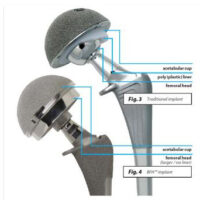
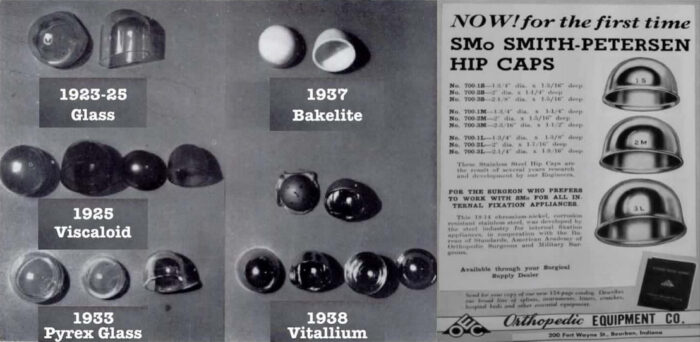
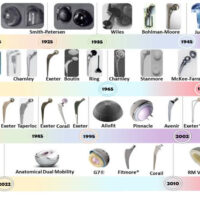
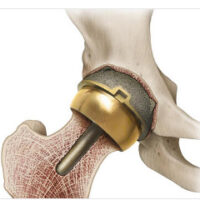
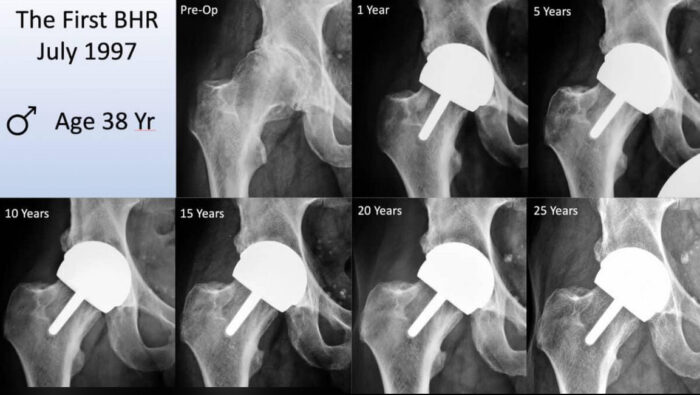
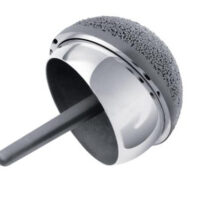
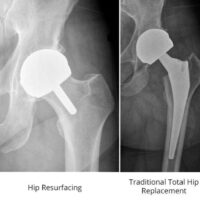
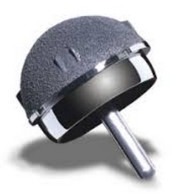
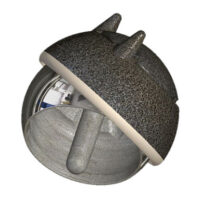
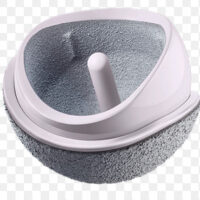
The History of Hip Resurfacing – From Early Failures to Modern Devices 🕰️The History of Hip ResurfacingFrom Early Failures to Modern DevicesHip resurfacing didn’t appear overnight.It has gone through decades of trial, failure, innovation, and improvement to become what it is today.Understanding this history helps explain:Why some devices succeededWhy others failedWhy surgeon experience matters so much The idea of hip resurfacing goes back to the 1940s.Early procedures attempted to “cap” the hip instead of replacing itDesigns used primitive materials and fixation methods👉 The problem:Poor durabilityHigh failure ratesBy the 1970s–80s:Metal-on-polyethylene designs wore out quicklyLoosening and fractures were common💬 Reality at the time:“Hip resurfacing was largely abandoned.” 🔄 The Comeback (1990s – The McMinn Era) Everything changed in the 1990s.British surgeon Derek McMinn—along with colleagues like Ronan Treacy—rethought the entire concept.Key improvements:Modern metal-on-metal bearingsBetter implant designImproved surgical technique👉 The breakthrough moment:July 30, 1997 – the first modernBirmingham Hip Resurfacing was implanted💬 Why this mattered:“This marked the beginning of modern hip resurfacing.” 🏆 The Rise of BHR (Late 1990s–2000s) The BHR became the most successful modern resurfacing device.Strong long-term resultsHigh survivorship ratesFDA approval in the U.S. in 2006It helped drive a surge in popularity in the early 2000s.💬 Patient perspective:“This is when resurfacing really took off.” ⚠️ The Downturn (Late 2000s – Device Problems) Not all devices performed well.Two major examples:❌ ASR (DePuy)FDA approvedLater recalled due to high failure ratesLinked to metal wear and complications❌ CormetAlso FDA approved at one timeEventually withdrawn from the U.S. market👉 Result:Increased scrutiny of metal-on-metal implantsDecline in hip resurfacing popularity💬 Reality:“The problem wasn’t resurfacing itself—it was some device designs.” 🔍 Lessons LearnedFrom this period, several important lessons emerged:Implant design mattersSurgical technique matters even moreNot all devices are equal👉 And most importantly:Surgeon experience is critical to good outcomes 🔬 The Modern Era (2010s–Today) Recap/Magnum Hip Resurfacing System Polymotion® Hip Resurfacing System ReCerf Ceramic on Ceramic Hip Resurfacing System H1 Ceramic on Ceramic Hip Resurfacing System BHR – Birmingham Hip Resurfacing System Today, hip resurfacing continues to evolve.🧪 Newer Devices and Approaches•Recap/MagnumUsed by Dr. Gross and soon to be available to other hip resurfacing surgeonsUsed for 6000+ hip resurfacing surgeries•PolymotionThe Polymotion cup is mostly made of Vitamin E crosslinked polyethylene, coated with a thin layer of titanium porous coating for bone ingrowth.Designed to avoid metal-on-metal issues• ReCerf Hip Resurfacing SystemCeramic on ceramic surface technologyFocus on reducing metal ions• H1 ResurfacingNewer design and materialsCeramic on CeramicStill building long-term data• Synovo PreserveUsed by surgeons like Dr. James Pritchett Cementless, ceramic coated titanium, cross-linked polyethylene hip resurfacing deviceCombines modern materials with resurfacing principles ⚙️ Established Systems Still in UseEven with newer designs, some long-standing systems remain important:Birmingham Hip ResurfacingMagnum / Recap systemThese continue to be used by experienced, high-volume surgeons. 🧠 Where Things Stand TodayHip resurfacing today is:Less common than in the early 2000sMore selective in patient choiceHighly dependent on surgeon expertise💬 Balanced view:“It’s no longer widely used—but in the right hands, it works very well.” 🧭 The Big PictureThe history of hip resurfacing is not a straight line.It’s a story of:Early innovationMajor setbacksCareful refinementAnd one consistent theme:Success depends on the right patient, the right device, and especially the right surgeon 💬 Final Thoughts (Surface Hippy Perspective)After decades of development:Hip resurfacing is still a valuable optionIt continues to evolveIt requires careful decision-making💬 Most common patient advice:“Learn the history—but focus on finding the right surgeon today.” 🔎 Continue Learning What is Hip Resurfacing? Advantages Risks Best Age for Hip Resurfacing How Long It Lasts