
Hip Resurfacing Has A New Life with the Recap/Magnum by Dr. Gross 2026
Hip Resurfacing Has a New Life — What This Means for You
3/23/2026 By Thomas P. Gross, MD – Hip Resurfacing Surgeon
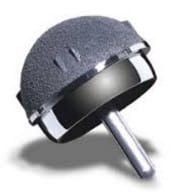
Hip resurfacing in the United States is entering an exciting new chapter. Beginning in June 2026, the Recap/Magnum resurfacing implant—made to the same specifications previously used by Zimmer Biomet—will once again be available. It took more than a year and a half to purchase the design rights, but manufacturing has now restarted, and implants should arrive in Columbia, SC early this summer.
This comes at the perfect time, as the Birmingham Hip Resurfacing (BHR) implant made by Smith & Nephew is being phased out. Once our center, Midlands Orthopaedics, has several months of supply, these new Recap/Magnum implants and updated instruments will become available to other surgeons across the U.S. Our goal is simple:
We want to keep hip resurfacing available to patients everywhere—not just at our center.
I do not receive royalties for this implant.

Why This Matters
The BHR has been the most widely used resurfacing implant worldwide and the only implant with an FDA‑approved indication for hip resurfacing in the U.S. in 2025. It has an excellent long‑term record when used by experienced surgeons. However:
- Smith & Nephew stopped producing the implant because sales dropped from $100 million per year to $9 million.
- The company has not produced smaller sizes (<48 mm) for years, making it impossible to use in women and smaller men.
- It uses cement on the femoral side, which increases failure risk in patients with weaker bone or osteonecrosis or other large bone defects.
While I’ve used the BHR successfully for men over 5’9″ with strong bone, it is not ideal for all patient types.
Information for Patients
If you are interested in hip resurfacing with:
- The BHR while supplies last
- The Polymotion resurfacing implant (limited availability through our FDA study)
- The uncemented Recap/Magnum starting June 2026
Please visit grossortho.com and submit a consultation request.
Why the Recap/Magnum is Important
With the Recap/Magnum system, I have performed over 6,000 surgeries and published the best long‑term hip resurfacing outcomes in the world, with:
- 98% implant survival at 18 years
- Excellent results in men and women
- Successful outcomes for all sizes, all diagnoses, and all bone qualities, including osteonecrosis
- Success even when up to half of the femoral head was damaged
These results consistently outperform long‑term total hip replacement outcomes reported by major academic centers. These implants are also FDA approved but not for the indication of total hip resurfacing. This is an off label use which is legal. FDA regulates how manufacturers market devices, but not how surgeons use them. It is part of every single doctors practice in the USA to use FDA approved drugs and implants in the best interest of their patients, even if they are not approved for marketing for a certain “indication”. For example all uncemented total hip and total knee devices implanted before the mid 80s were used off label. Tranexamic acid is used to prevent blood loss in surgery in joint replacement. Not using it off label in this fashion would almost be a breach in the standard of care.
What Surgeons Need to Know
We plan to make the Recap/Magnum available to many U.S. surgeons over the next year, beginning with high‑volume resurfacing specialists.
Surgeons who have performed fewer than 500 resurfacing cases will need to spend a day observing surgery in Columbia, SC before receiving implants. Even high volume surgeons who are not familiar with the nuances of doing resurfacing in women and smaller framed men are encouraged to visit.
Why? Because hip resurfacing—especially in women and smaller men—requires very precise technique:
- Smaller sizes have a smaller “safe zone” and can be easily positioned incorrectly.
- Incorrect positioning can cause edge‑loading and excessive wear.
- Dysplastic hips may require specialized components, such as a Trispike cup.
- I developed the RAIL Safe Zone, which reliably prevents adverse wear.
In nearly 8,000 cases, when the cup was placed in this zone, there has never been an adverse wear failure.
We want this implant widely used—but used well, so its excellent track record continues.
If you are a surgeon and would like access to the Recap/Magnum implant once it becomes available, please contact my secretary Evelyn Washington through my website grossortho.com. We are building a list so we can keep you updated.